An Overview of Key Differences of Small-Molecule Drugs and Biotherapeutics: Perspectives and Quality Attributes
Key Learning Outcomes
- Understand the fundamental physical, chemical, and pharmacological differences between small molecule drugs and biotherapeutics, including molecular weight, structural complexity, manufacturing origin, stability, and route of administration.
- Learn how the regulatory frameworks for small molecules and biologics diverge, from NDA to BLA filing requirements, and the distinct approaches needed for generic bioequivalence versus biosimilar comparability studies and clinical trials.
- Discover how the principle that “the process defines the product” for biologics contrasts with the specification-centred quality framework for small molecules, and what this means for development, manufacturing control, and analytical strategy.
- Explore a side-by-side case study of Tarceva and Herceptin, two Genentech products representing each drug class, illustrating how differences in drug substance form, manufacturing process, dosage form, pharmacokinetics, and commercial lifecycle play out in practice.
Event Overview
This session by Dr Michael Dong offers an accessible, expertly structured introduction to one of the most vital conceptual shifts in pharmaceutical science: understanding how principles of small molecule drug development translate, and where they do not, into the biologics and biotherapeutics field. As five of the top ten best-selling drugs worldwide are now monoclonal antibodies, this fundamental knowledge is increasingly crucial for scientists, many of whom are trained in small-molecule chemistry and analytics.
The presentation begins with clear definitions of drug substance, drug product, and new molecular entity, then proceeds to a systematic comparison of the two drug classes across six dimensions: physical and chemical properties, manufacturing processes, dosage forms and storage requirements, pharmacological mechanisms and pharmacokinetics, dosing regimens, and regulatory classification and approval pathways. The contrast is striking at every level, from the 300–700 Da synthetic organic compound taken as a daily oral tablet to the 150 kDa recombinant immunoglobulin administered by intravenous infusion and requiring refrigerated storage throughout its shelf life.
The session then grounds these comparisons in a detailed case study pairing Tarceva, a first-generation EGFR inhibitor approved in 2004, with Herceptin, one of the first monoclonal antibody blockbusters and a landmark in personalised medicine. The comparison covers drug substance characterisation, manufacturing routes, excipient strategies, dosing schedules, pharmacokinetic profiles, and the very different commercial trajectories that follow from generic entry versus biosimilar introduction. Throughout, the presenter highlights the practical implications for analytical scientists transitioning from small molecule to biologic development programmes.
Who Should Attend?
Scientists and professionals with a small molecule background who are transitioning into biologics development, or anyone seeking a clear, structured foundation for understanding how the two drug classes differ in terms of chemistry, manufacturing, analytics, and regulation.
- Analytical Scientists and Chemists moving from small molecules to biologics programmes
- Quality Control and Quality Assurance Professionals in pharmaceutical and biopharmaceutical settings
- Regulatory Affairs Professionals seeking to understand NDA versus BLA distinctions
- Scientists in early-stage drug development or CMC functions
- Graduates and Postdoctoral Researchers entering the biopharmaceutical industry
- Medical Affairs and Commercial professionals wanting a stronger scientific grounding
- Technical Managers overseeing cross-modality analytical or development teams
Unlock Additional Educational Resources
Register today for Michael’s presentation and gain access to exclusive bonus content, such as the insightful panel discussion on “Understanding The Difference Between Small-Molecule Drugs And Biotherapeutics”.
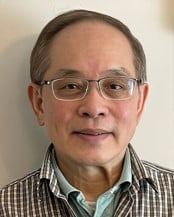 Dr. Michael DongPrincipal ConsultantMWD Consulting (USA)Dr. Michael W. Dong is a principal consultant at MWD Consulting, focusing on consulting and training services on HPLC, pharmaceutical analysis, and drug quality. He was formerly a Senior Scientist in Analytical Chemistry and Quality Control at Genentech, a Research Fellow at Purdue Pharma, a Senior Staff Scientist at Applied Biosystems/Perkin-Elmer, and a section head at Celanese Research Company. He holds a Ph.D. in Analytical Chemistry from the City University of New York. He has 130+ publications and five books, including a bestselling book on chromatography (HPLC and UHPLC for Practicing Scientists, 2nd Ed., Wiley, 2019). He is an advisory board member of LCGC magazine.
| Presenter |
|
Brought to you by: