
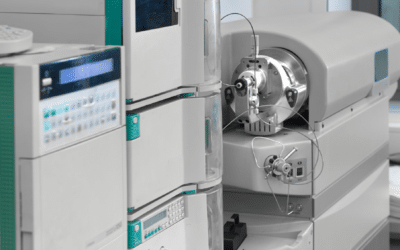
Breaking through analytical boundaries: Development of next-generation gene therapies and vaccines
Event Overview This presentation showcases advanced ELISA-MS™ as the premier technology for detailed characterisation and comprehensive coverage of Host Cell Protein (HCP) ELISA reagents. Precisely assessing HCP coverage is essential for biopharmaceutical development...
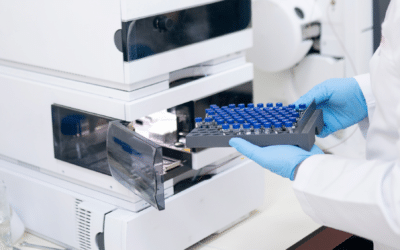
Meet the Expert: Mass Spectrometry for HCP Monitoring in GMP
AdvertisementIntroduction A conversation with Somar Khalil, Principal Scientist at GSK Vaccines, on why the industry needed to move beyond immunoassays for monitoring residual host cell proteins (HCPs), and how his team demonstrated that untargeted, label-free mass...

Quality assessment of sgRNA and Cas9 mRNA for CRISPR – based therapeutics by capillary electrophoresis (CE)
AdvertisementGene editing is one of the fastest-growing areas in biotechnology and biopharmaceutical research, with CRISPR-Cas9 (clustered regularly interspaced short palindromic repeats-CRISPR-associated protein 9) leading the field as the primary method. A common...

Meet the Expert: Method Validation in Pharmaceutical Analysis
AdvertisementIntroduction A conversation with Joachim Ermer on Method Validation in Pharmaceutical Analysis: A Guide to Best Practice, now in its third edition. Joachim shares what motivated him to write it, how it's structured, and why moving beyond a checklist...

Prospective ICH Q2(R2)-Aligned Total-Error Validation of Label-Free Untargeted Proteomics for Host Cell Protein Quantification in Biotherapeutics
AdvertisementThis 2026 study by Somar Khalil, Jean-François Dierick, Pascal Bourguignon and Michel Plisnier from GSK presents what the authors describe as the first prospective ICH Q2(R2)-aligned validation of untargeted proteomics for host cell protein (HCP)...

Improvement of Peak Integration in Capillary Electrophoresis: Reference Data Set No. 1
AdvertisementIntroduction As biopharmaceuticals grow in complexity, traditional peak integration algorithms are increasingly struggling to keep pace, particularly in Capillary Electrophoresis (CE), where intricate sample profiles expose the limits of conventional...
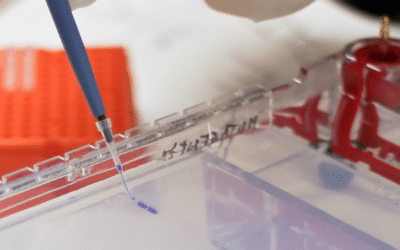
Rapid Platform icIEF Methods Development with AESlyte® HR 5–10.5 for Diverse mAbs
AdvertisementThe AESlyte Rapid Method Development Kit is designed to make developing icIEF methods for monoclonal antibodies and other biotherapeutics quicker and easier. Using AESlyte HR 5–10.5 with two default pI markers (5.72 & 9.71), the standardised workflow...

Peak Integration of Electropherograms in GMP and Research Labs: Navigating Increased Scrutiny Amid Data Integrity Audits and Inspections
AdvertisementIntroduction Capillary electrophoresis (CE) offers superior separation for complex biologics like monoclonal antibodies, but its irregular baselines and broad, asymmetric peaks make peak integration far more challenging than chromatography—especially in...
Advertisement
Advertisement
Advertisement